Residential · Fort Myers, FL
When an epoxy floor fails, the fix starts with proper epoxy removal, not another coat on top. Elite Epoxy Fort Myers (serving since 2016) removes old coatings and rebuilds the system with the right primers, moisture testing, and a durable recoat for garages, warehouses, and commercial floors in Fort Myers.
Prep and base decide whether a recoat lasts, so we start by identifying what is on the slab (epoxy, polyaspartic, urethane, acrylic sealer, paint) and why it is failing (hot-tire pickup, plasticizer migration, moisture vapor, poor profile, contamination). For epoxy removal we typically use HEPA dust-controlled diamond grinding with metal-bond tooling, and when needed, shot blasting to achieve the correct concrete surface profile (CSP) and expose sound concrete. Cracks and spalls are routed and repaired with epoxy crack filler or polyurea joint material, then the slab is vacuumed, degreased, and moisture tested (RH probes or calcium chloride) so the primer and base coat are matched to real conditions, not guesses.
Southwest Florida slabs see humidity, rain events, and vapor drive, which is why we pay close attention to moisture and surface temperature before recoating. If testing shows elevated moisture vapor emission, we can install a moisture-mitigating epoxy primer before the build coat, then apply a high-solids epoxy base with optional broadcast media. Finish options include full-flake systems with a clear polyaspartic or urethane topcoat, quartz broadcast for slip resistance, or a smooth pigmented epoxy with an aliphatic urethane wear coat for easy cleaning; we can also add anti-slip aggregate to meet wet-area needs without making the floor hard to mop.
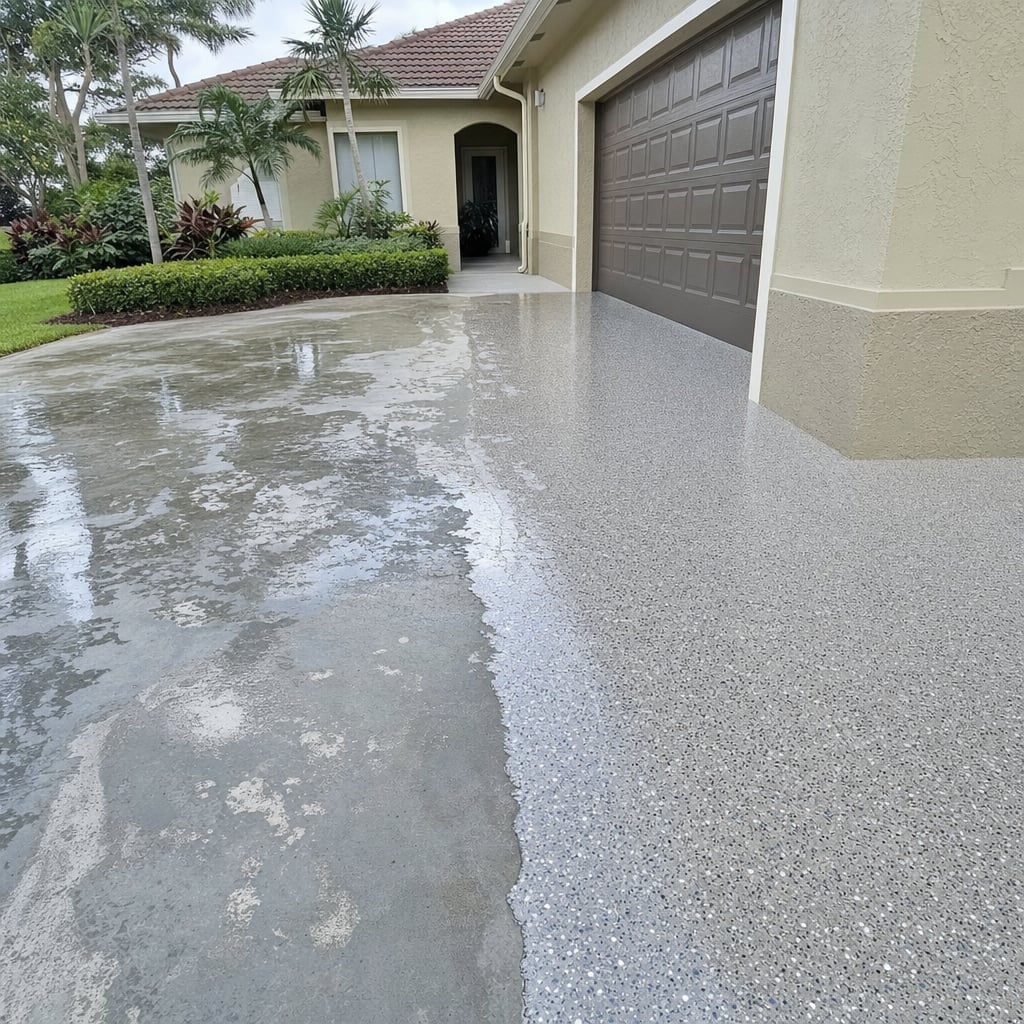
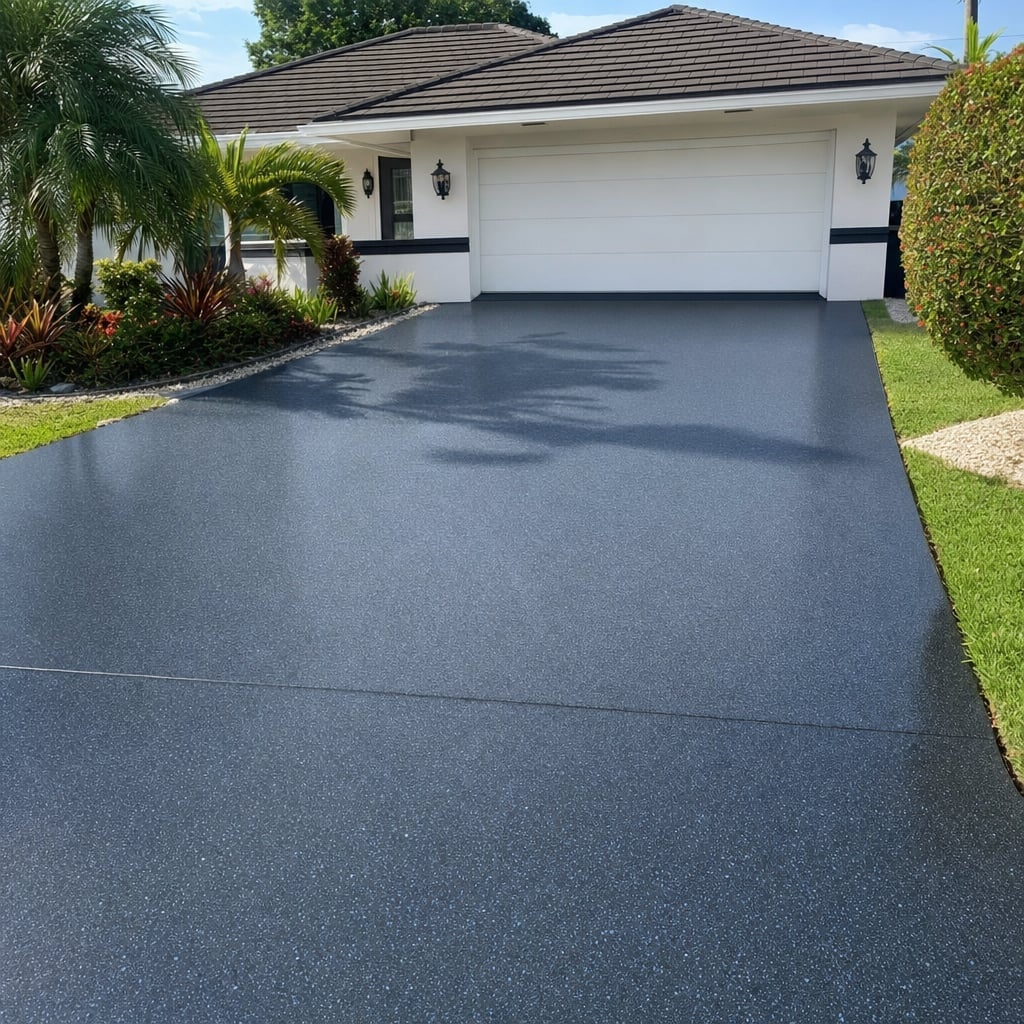
Fort Myers customers choose us because we treat removal like a flooring project, not a quick scrape and roll. Our crews use commercial grinders, edge tools, and HEPA vacuums to control dust, and we document the process with a clear scope: prep method, CSP target, repair plan, coating chemistry, and mil thickness. You get straight answers on what can be saved, what must be taken to bare concrete, and which system fits your traffic, from hot-tire garage parking to forklifts, pallet jacks, and chemical exposure in commercial spaces.
After coating, we walk the floor with you and confirm coverage at edges, control joints, transitions, and drain or stem-wall details, then review cure times and return-to-service windows. You receive a free written estimate up front, plus care and cleaning guidance that protects gloss and traction, including recommended neutral cleaners and what to avoid (citrus degreasers, harsh solvents, stiff wire brushes). The goal is simple: a properly prepped slab, a verified coating system, and a recoat that bonds, levels, and holds up the way it should.
Most garage floors are completed in 1-2 days depending on prep, repairs, and the coating system. Cure times vary, but many polyaspartic topcoats allow faster return to service than epoxy alone.
Sometimes, but we have to verify adhesion and compatibility first. We typically grind to remove weak layers and create a bondable surface, then prime and recoat with a compatible epoxy or polyaspartic system.
Yes, metallic epoxy is available for showpiece interiors, offices, and retail areas where a high-gloss decorative look is the priority. We finish with a clear protective topcoat and can add traction where needed.
Moisture vapor can cause bubbling, whitening, or delamination. We evaluate the slab and, when needed, install a moisture-mitigating epoxy primer designed to handle elevated vapor transmission before building the coating system.
Some products have noticeable odor, especially certain solvents and fast-cure resins. We select products based on the space and ventilation, and we communicate what to expect before the job starts.
If your coating is peeling, bubbling, or lifting at the tires, a durable fix starts with epoxy removal down to a sound surface. Recoating over a failing layer usually locks in the problem, especially when the real cause is poor surface profile, oil contamination, or moisture vapor coming through the slab. Elite Epoxy Fort Myers removes old epoxy and rebuilds the system using proven concrete prep, moisture testing, and industrial coating materials designed for real traffic.
Our epoxy removal process is chosen based on what is on the floor and how thick it is. For most garages and commercial slabs, diamond grinding with metal-bond tooling removes epoxy, paint, and sealers while creating the profile new coatings need to mechanically bond. Where coatings are thicker, uneven, or contaminated, shot blasting can be the better path to an even CSP and consistent adhesion. Once the slab is open, we address cracks, divots, and joint damage, then verify moisture conditions before any primer goes down.
Recoating is not one product, it is a system. Depending on your use, we may install a penetrating epoxy primer, a moisture-mitigating epoxy, or a high-build base coat, followed by a full-flake, quartz, or smooth finish. Topcoats are selected for performance, including polyaspartic for fast return to service and urethane for abrasion and chemical resistance. Additives like aluminum oxide or polymer grit can improve traction in wet or oily areas without turning the floor into sandpaper.
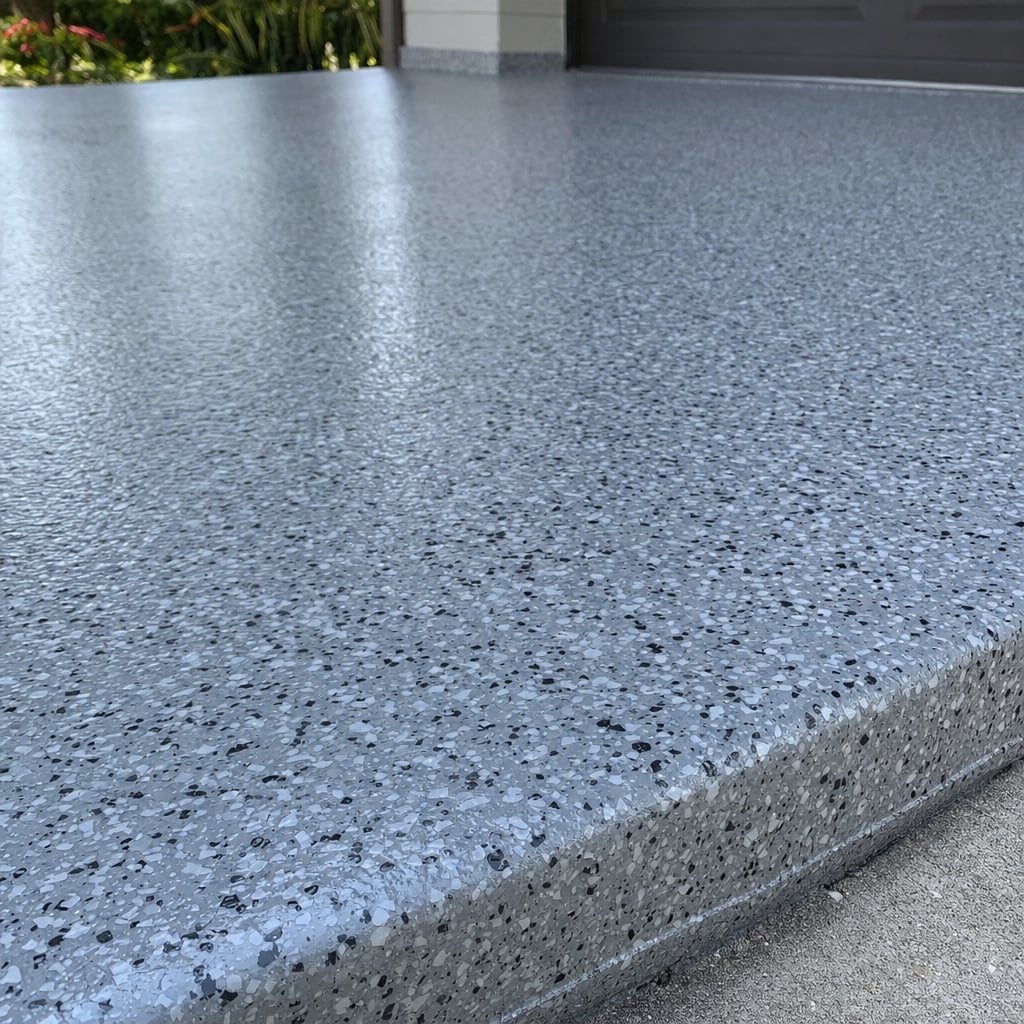
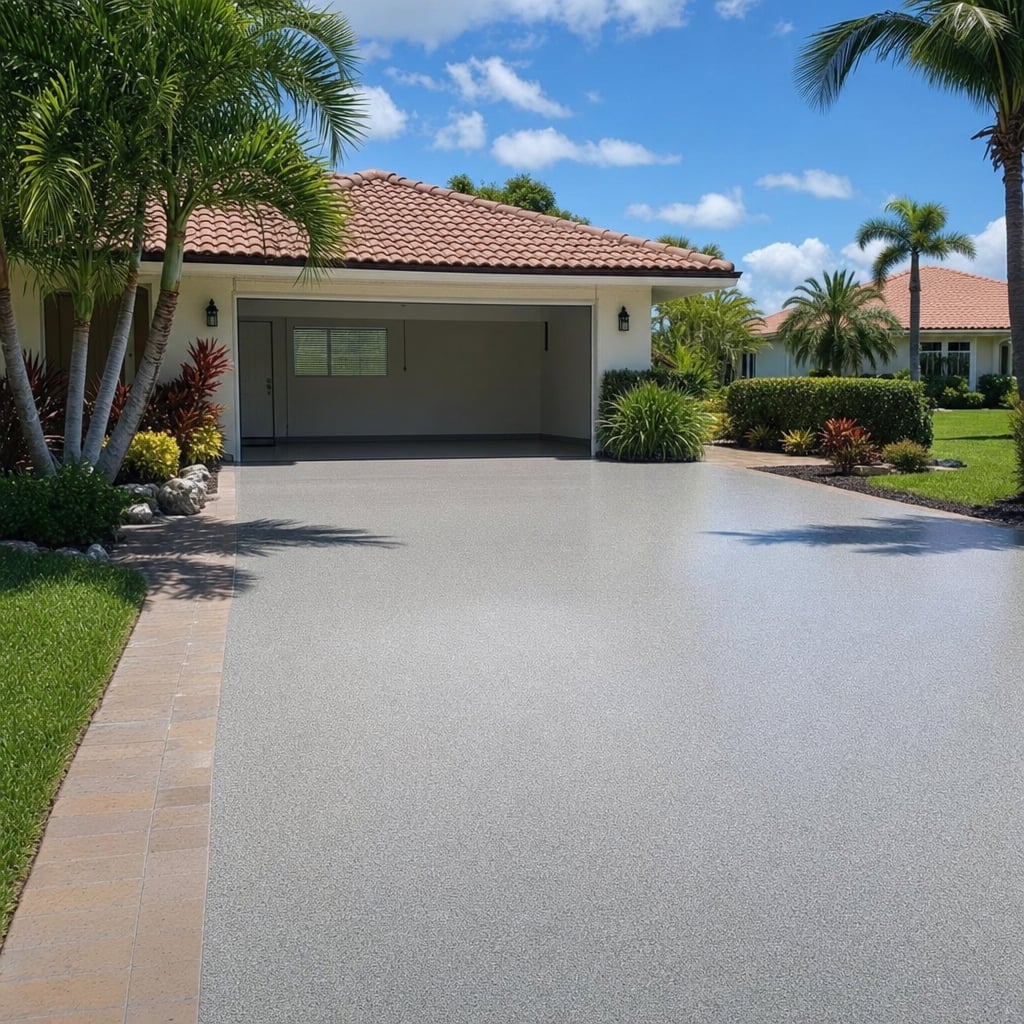
If you are comparing bids, ask how the contractor will remove the old epoxy, what CSP they are targeting, and whether they are testing moisture. Those details determine whether the new coating bonds long-term or fails again. We provide a written scope and a free written estimate so you know the prep method, materials, and expectations before the work begins.
Call now or send a request and we will reach out within one business day to schedule your free, no-obligation estimate in Fort Myers. We assess the project, review the details, and give you a written quote before any work starts, so you know exactly what to expect.
Prefer to write? Contact us or head back to the home page.